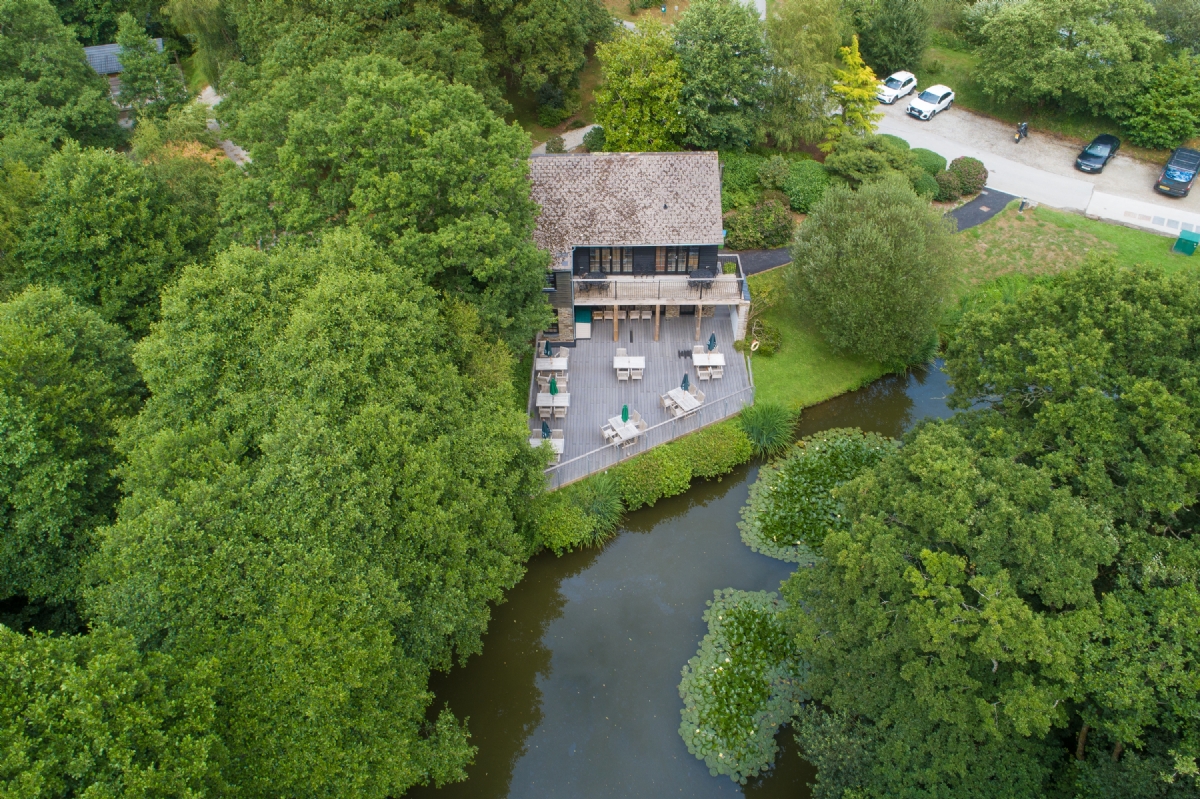
Henry the Heron.
Long before the first table was laid at The Old Mill, a grey heron was standing in the shallows at the end of the lake, waiting. We call him Henry. He keeps his own hours, ignores the terrace entirely, and is — by some distance — the most photographed guest at Stonerush Lakes.
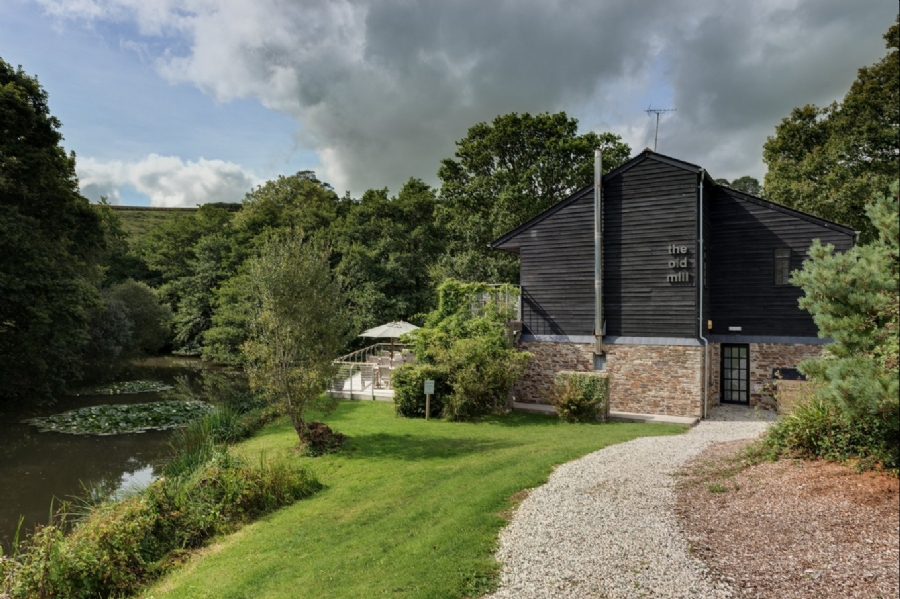
Patient, prehistoric, and quietly enormous.
1.9m
Wingspan
A grey heron's wings span almost two metres — which is why Henry looks like a folding umbrella taking off from the reeds.
25 yrs
Lifespan
Herons can live for over two decades in the wild, so Henry may well outlast several of our menus.
0 km/h
Hunting speed
Herons hunt by standing perfectly still, sometimes for half an hour, then striking in a fraction of a second.
S-bend
That neck
A heron flies with its neck tucked into an S — unlike storks and cranes, which fly with theirs straight out.
Where to find him
Henry works the shallow margins at the far end of the lake, usually early morning or the last hour of light. On warm evenings he'll stand on the jetty posts while the terrace fills up.
What he eats
Roach, rudd and the occasional over-confident frog. Herons swallow fish whole, head first, and will take small mammals and ducklings when the fishing is slow.
Heron etiquette
Watch from the terrace or the path and keep your distance — herons spook easily and will abandon a good fishing spot. Please don't feed him; he is a far better fisherman than we are.
Herons and mills
Mill pools have drawn herons for centuries: still water, steady stocks of fish and a high perch to survey it all. Henry is simply carrying on a very old arrangement.
Henry, as you've seen him.
Photographs sent in by guests and checked by the team before they go up.
Looking for Henry…